
Why Smart Therapists Are Choosing Hourly Therapy Room Hire Over Leases
Why Hourly Therapy Room Hire Gives Private Practices More Freedom
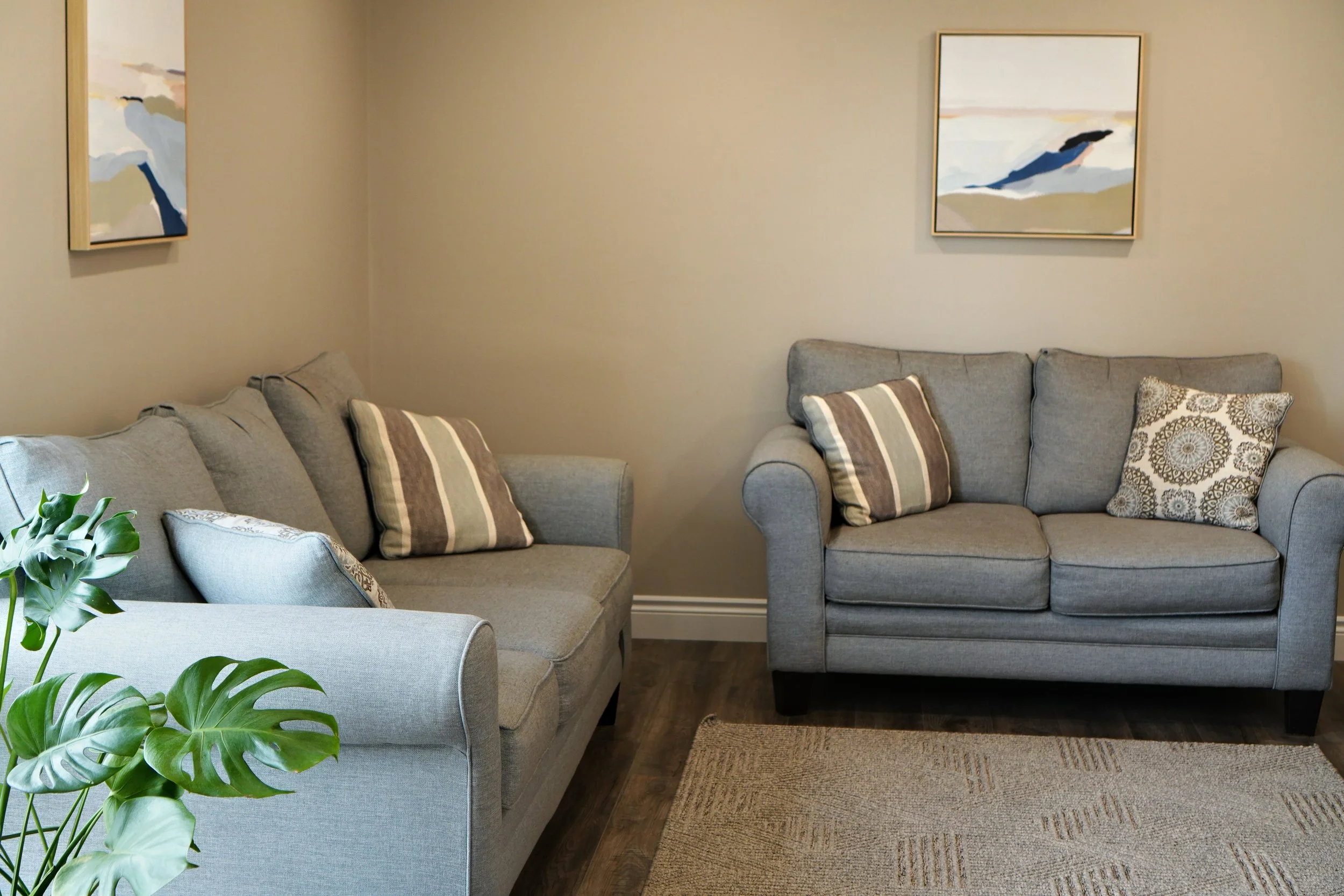
Therapy room hire lets you book a private, professional space only when you need it. For a clinician starting or growing a practice, the smart first steps are to choose a location clients can reach easily, confirm the room protects privacy, check what is included, and book hours that match your real caseload.
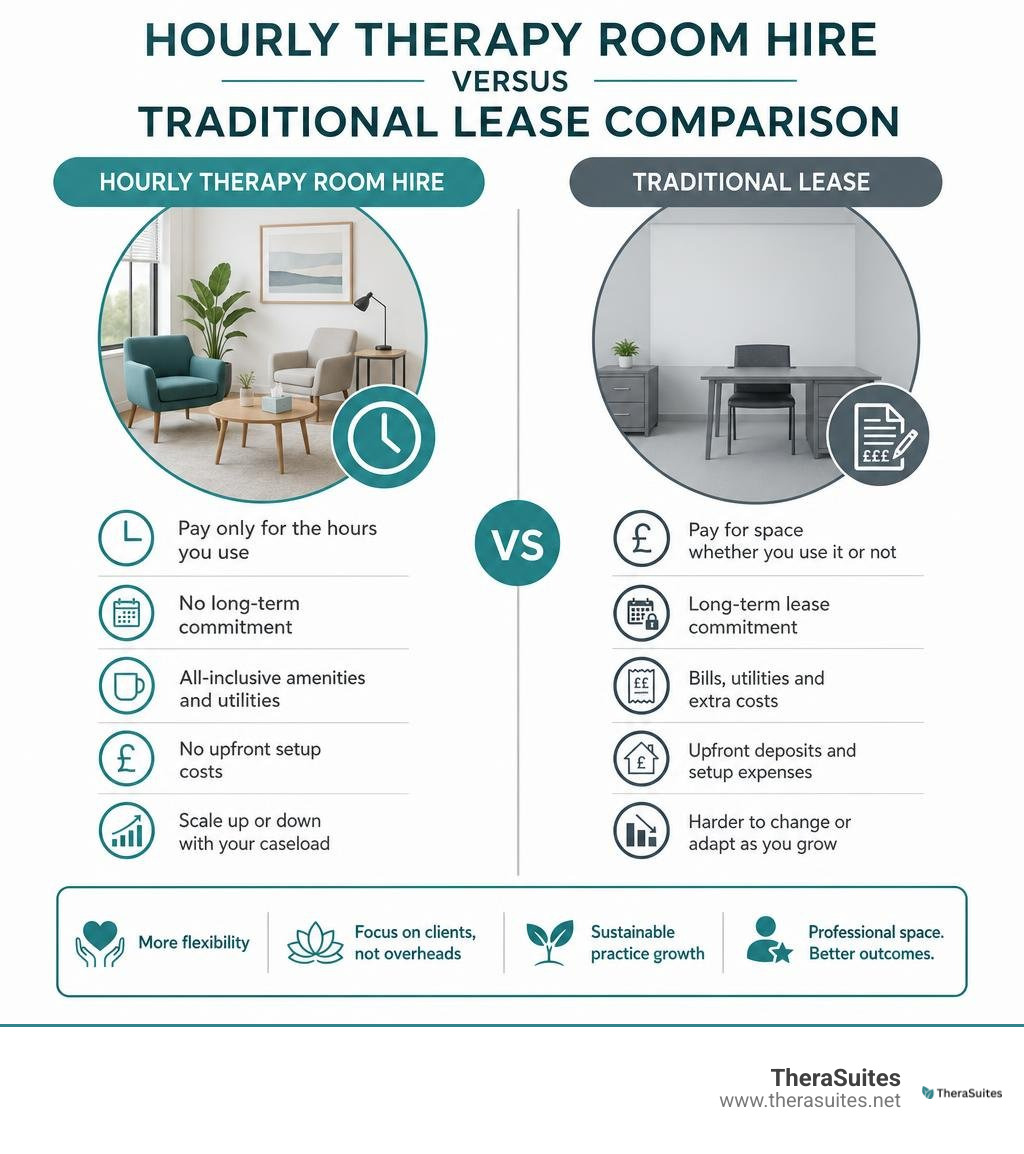
Hourly booking can remove the biggest risks of a traditional office lease: long commitments, unused space, utility bills, and upfront setup costs. UK therapy rooms commonly cost about £15 to £40 per hour, although central London and high-demand times can cost more. Shared, sessional spaces can also help practitioners avoid the fixed costs of a dedicated premises while still giving clients a calm, credible setting.
For therapists, counsellors, and other mental-health clinicians, this is not simply a cheaper room. It is a way to build a practice at a sustainable pace, test new appointment times, and create a professional client experience without tying the business to a multi-year lease.
What Is Sessional Practice Space and Who Uses It?
Sessional practice space is a fully equipped, confidential office designed specifically for mental health professionals and wellness practitioners. Rather than committing to a multi-year commercial lease, clinicians can reserve these rooms by the hour, in half-day blocks, or on a recurring weekly schedule.
Over 60% of private therapists now rent therapy spaces on a sessional or hourly basis rather than signing full-time commercial leases. The primary drivers behind this shift are financial flexibility, reduced administrative overhead, and the ability to scale up or down as caseloads fluctuate.
This model serves a wide range of professionals across private practice, including:
- Psychotherapists and Counsellors: Clinicians who need calm, soundproof, and confidential environments to conduct individual, couples, or family therapy.
- Clinical and Counselling Psychologists: Specialists who require professional consultation spaces for formal assessments, structured interventions, and diagnostic evaluations.
- Coaches and Hypnotherapists: Practitioners who benefit from a polished, distraction-free environment that builds immediate rapport.
- Hybrid Practitioners: Clinicians who provide telehealth sessions part of the week but need an in-person room for clients who prefer face-to-face contact.
- New Practitioners Launching a Practice: Therapists stepping away from agency work or NHS roles who want to establish their business without taking on personal debt.
A dedicated clinical environment makes a measurable difference in therapeutic outcomes. Nearly 75% of practitioners who hire rooms note that welcoming clients into a neutral, purpose-built space increases client trust and session effectiveness by at least 40%. It separates your home life from your clinical responsibilities while giving your clients a discreet, neutral sanctuary.
At TheraSuites, we see how connecting with other professionals elevates private practice. The members at Therasuites Livonia benefit not just from physical consultation rooms, but also from a supportive peer community, a dedicated business address, and professional practice tools that make solo practice feel far less isolating.
Key Benefits of Therapy Room Hire vs Traditional Commercial Leases
When you evaluate the financial obligations of running a private clinic, traditional commercial leases carry substantial hidden liabilities. Landlords typically expect a three- to five-year contractual commitment, substantial personal security deposits, business rates, commercial insurance, and full responsibility for fit-outs and repairs.
Choosing a flexible room model removes those barriers. Here is how sessional bookings compare to signing a long-term lease:
| Practice Feature | Hourly & Sessional Room Hire | Traditional Commercial Lease |
|---|---|---|
| Commitment Length | Pay-as-you-go, hourly, or rolling monthly agreements | 3 to 5+ years locked-in commercial contract |
| Upfront Capital | Zero to minimal deposit; fully furnished spaces | Heavy upfront capital (fit-out, furnishing, large deposit) |
| Overhead Risk | Pay only for clinical hours you actually use | Pay 24/7 rent regardless of cancellations or holidays |
| Utilities & Wi-Fi | Included in standard room rates | Separate accounts, fluctuating bills, and setup fees |
| Acoustic Privacy | Purpose-built soundproofing and white noise systems | Practitioner must invest heavily in acoustic insulation |
| Practice Scaling | Instantly book more or fewer hours as client numbers change | Fixed space size; moving requires lease termination or subletting |
| Maintenance | Handled entirely by facility management | Full responsibility for repairs, cleaning, and upkeep |
By using turn-key rentable therapy space, you protect your practice cash flow. If you take a month off for continuing education or a summer holiday, your room costs drop to zero. In contrast, a traditional commercial landlord expects rent checks every single month, whether your consultation chair is occupied or empty.
Understanding Pricing and Overhead Reductions

Managing overhead is the single most important factor determining whether a private practice remains financially sustainable over time. The overall market for flexible consultation space is estimated at over £200 million annually and continues to expand by roughly 15% each year as practitioners step away from traditional clinic ownership.
Therapists who adopt shared or hired consultation rooms save an average of $8,000 to $12,000 every year compared to maintaining a dedicated, single-occupant commercial office. These savings come directly from eliminating utility bills, commercial business rates, cleaning contracts, broadband subscriptions, and initial interior decor investments. A comprehensive Private Practice Hub analysis on therapy room hire costs shows that variable-cost models consistently protect practitioner margins, especially during the crucial first three years of establishing a clinical client roster.
Factors That Influence the Cost of Therapy Room Hire
Room rates are not static; they reflect several practical and geographic variables:
- Location and Accessibility: Suites situated near major transit hubs, central business districts, or prime suburban corridors command higher rates due to accessibility for clients.
- Peak vs. Off-Peak Hours: Evenings (after 5:00 PM) and Saturdays represent high-demand clinical times. Many facilities price peak hours slightly higher or offer discounts for weekday morning and early afternoon blocks.
- Booking Volume and Commitments: Ad-hoc, single-hour reservations usually carry the standard rate, whereas reserving recurring half-day or full-day blocks unlocks significant volume discounts.
- Room Size and Purpose: A compact room arranged with two armchairs for one-to-one psychotherapy is priced lower than an expansive suite equipped for family systems work, child play therapy, or group workshops.
- Sound Insulation Quality: High-specification suites featuring specialized acoustic glass, insulated stud walls, and commercial sound-masking systems reflect the investment made to ensure total client confidentiality.
How to Choose the Ideal Practice Environment
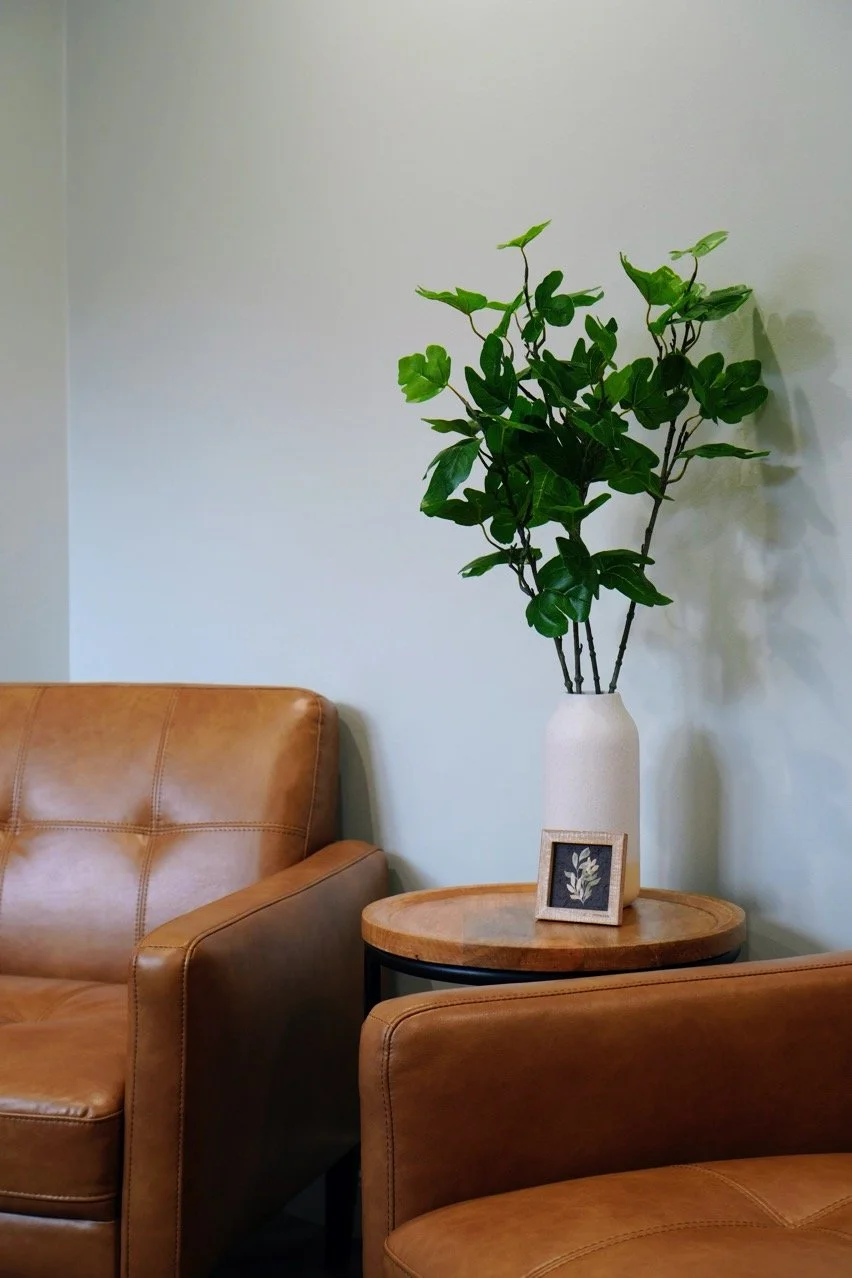
Selecting the right space requires looking beyond aesthetic appeal. Your consultation room is an extension of your therapeutic boundary, and every detail affects your client's sense of safety and professional trust.
When touring potential spaces, evaluate these practical elements:
- Discreet, Safe Accessibility: Is the building easy to find without feeling overly exposed? Look for clear signage, step-free access for clients with mobility challenges, and well-lit exterior walkways for evening sessions.
- Welcoming Waiting Areas: A calm, uncluttered waiting lounge allows clients to decompress before their session without feeling awkward or exposed to high foot traffic.
- Acoustic Isolation: Test the room's soundproofing thoroughly. Have a colleague stand outside in the hallway and speak at a conversational volume while you listen from inside the closed room.
- Lighting and Temperature Control: Fluorescent overhead lighting can feel clinical and harsh. Check for dimmable lamps, natural light sources, and independent temperature controls or silent heating/cooling units.
- Professional Cleaning Standards: The suite should be pristine, sanitized, and regularly maintained without lingering scents, strong air fresheners, or clutter from other practitioners.
Essential Amenities to Expect in a Therapy Room Hire Agreement
A well-managed practice facility should provide all the infrastructure you need to walk in and begin your session without friction:
- Acoustic Privacy: Purpose-built sound insulation, acoustic door seals, and white-noise machines outside consultation doors.
- High-Speed, Secure Wi-Fi: Enterprise-grade internet connectivity that supports uninterrupted telehealth video sessions and electronic health record (EHR) updates.
- Therapist-Specific Furnishings: Comfortable, supportive armchairs positioned at conversational angles, a writing desk or side table, tissue box covers, and subtle, neutral artwork.
- Secure Building Entry: Keyless keypad entry, intercom systems, or discreet reception staff to regulate visitor access safely.
- Kitchenette and Refreshments: Access to filtered water, tea and coffee facilities, and a private practitioner break area between client hours.
Booking Flexibility and Agreement Terms
Before booking hours, review the facility's terms to ensure they align with how private practice actually works:
- Cancellation Windows: Private clients occasionally cancel at short notice. Look for spaces that offer a reasonable cancellation window (such as 24 to 48 hours) so you can release unused hours without financial penalty.
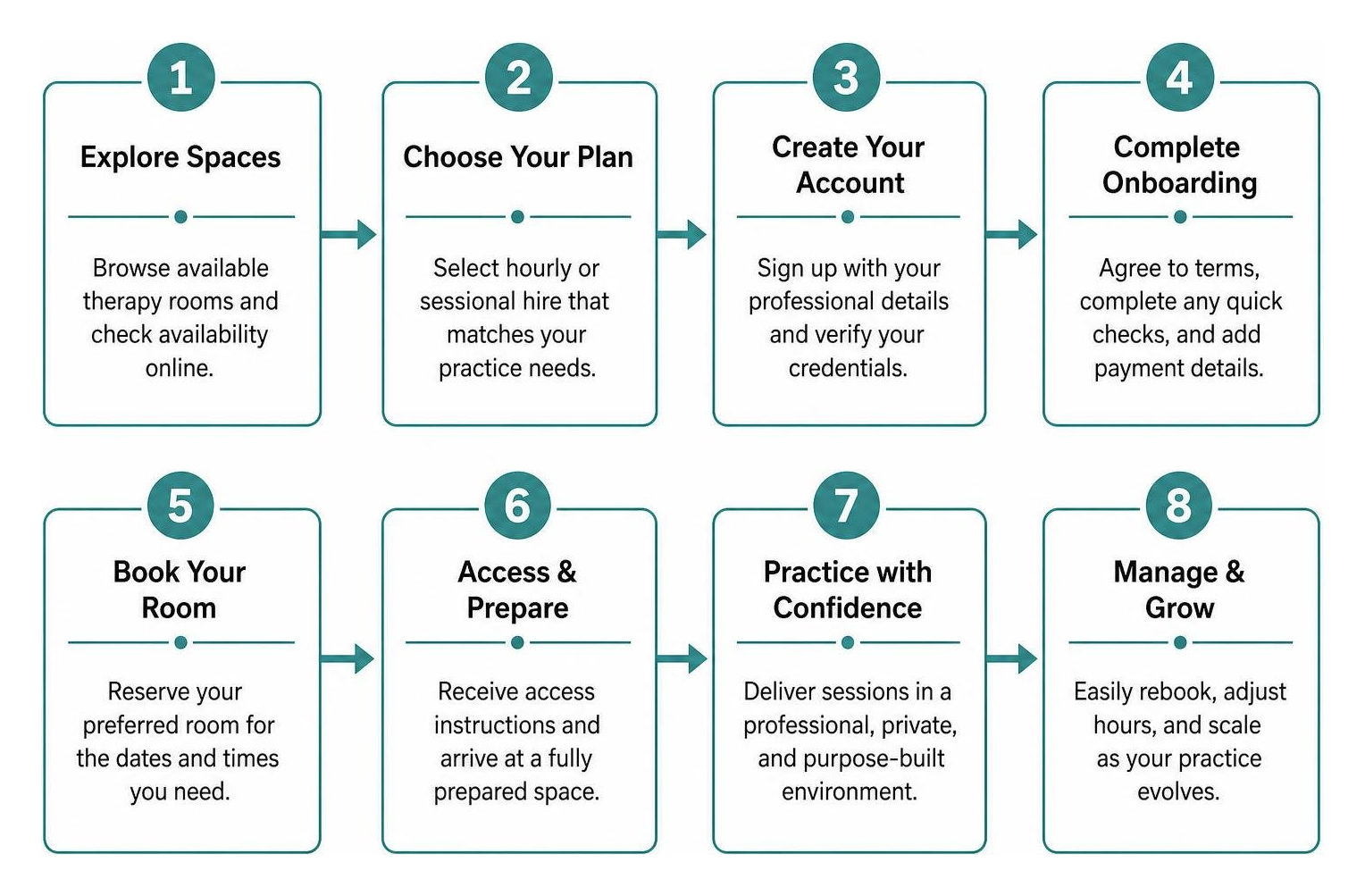
- Digital Booking Systems: An intuitive online portal lets you check room availability and make bookings 24/7 without back-and-forth emails.
- Rolling Terms vs. Long Agreements: Avoid facilities that demand long-term locks unless you specifically want a reserved, dedicated recurring weekly slot.
- Transparent Invoicing: Ensure there are no surprise service charges, cleaning levies, or hidden utility fees added to your hourly rate.
Frequently Asked Questions About Flexible Practice Space
Check out our comprehensive FAQ page for more answers about flexible clinic amenities, access arrangements, and membership details.
How much can a practitioner save with hourly bookings?
Practitioners who transition from a traditional dedicated commercial lease to hourly or sessional bookings save an average of USD $8,000 to USD $12,000 annually. These savings come from eliminating fixed rent during holidays, property taxes, commercial broadband contracts, office furnishings, cleaning services, and utility bills. By aligning your facility costs directly with client revenue, your overhead stays lean.
What happens if a client cancels a booked session?
Most flexible practice venues provide a cancellation grace period, typically between 24 and 48 hours before the reservation. If your client cancels within your practice's policy window, you can cancel your room booking online and receive a full credit. This protects your cash flow compared to traditional leases, where you pay for your space 24/7 regardless of attendance.
Is sessional rental suitable for full-time caseloads?
Yes. Many established therapists with full caseloads (20 to 30 client hours per week) find that booking recurring full-day or half-day blocks provides all the stability of a permanent office at a lower total cost and with zero maintenance responsibilities. It also allows hybrid practitioners to keep full-time earnings while working in the office two or three days a week and conducting remote sessions from home.
Final Thoughts
Running a rewarding, sustainable private practice does not require tying yourself to rigid commercial leases, unpredictable utility bills, or heavy upfront investments. Flexible consultation suites give you the freedom to build your practice around your life, expand your client roster on your own terms, and maintain a calm, professional standard of care from day one.
If you are ready to take control of your practice overhead and provide your clients with a modern, confidential space, we invite you to Join Now and explore our flexible room options. Visit TheraSuites to learn more about how our turnkey suites, supportive community, and practice solutions can help your clinical business thrive.