
The Rise of Modern Therapy Studios in Mental Healthcare
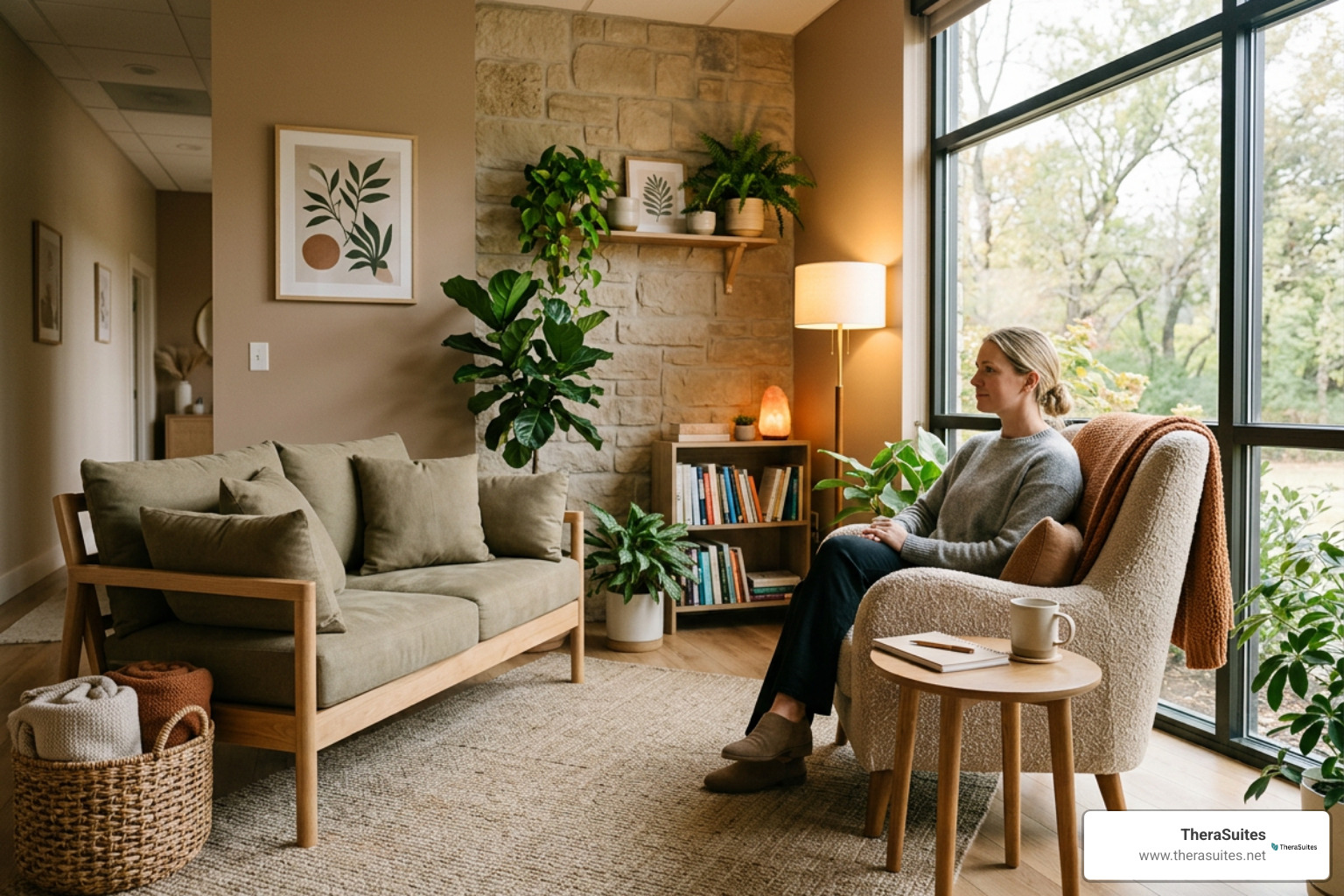
Modern therapy studios are transforming behavioral healthcare by replacing sterile, institutional clinical offices with trauma-informed environments designed around intentional acoustics, biophilic aesthetics, and nervous system regulation. By integrating architectural soundproofing, dimmable residential lighting, grounding natural textures, and flexible layouts for somatic or expressive modalities, these specialized spaces actively support emotional safety and strengthen the therapeutic alliance from the moment a client arrives.
For decades, the architectural standard for outpatient behavioral health mirrored sterile institutional clinics: fluorescent overhead lighting, thin drywall, generic waiting rooms with ticking clocks, and vinyl seating. However, contemporary healthcare design recognizes that physical architecture directly influences emotional regulation, client retention, and clinical efficacy.
Modern therapy studios represent a purposeful departure from cold, clinical environments. By blending biophilic aesthetics, intentional acoustics, and warm hospitality, these spaces create an environment where clients feel emotionally supported, physically secure, and fully empowered to engage in deep therapeutic work.
| Feature | Traditional Clinical Office | Modern Therapy Studio |
|---|---|---|
| Atmosphere & Lighting | Fluorescent fixtures, stark white walls, sterile vibe | Dimmable warm lighting, biophilic natural accents, residential warmth |
| Acoustics & Privacy | Basic drywall, shared hallway echo, high sound bleed | Architectural soundproofing, acoustic dampening, white noise masking |
| Spatial Layout | Fixed desk barrier, standard armchairs | Flexible modular seating, movement zones, grounding furniture |
| Clinical Modalities | Primarily 50-minute seated talk therapy | Somatic tracking, expressive arts, sound baths, EMDR intensives |
| Leasing & Operations | Multi-year commercial leases, solo overhead burden | Flexible hourly booking, turnkey amenities, shared clinical community |
Clarifying Search Intent: Creative Media versus Clinical Spaces
When navigating digital platforms in September 2026, the search term can cause confusion because it spans two distinct industries: creative media production and outpatient mental healthcare.
In the entertainment and advertising sectors, companies like Therapy Studios in Culver City use the word "studio" to describe specialized post-production suites. Founded in 2005, these facilities house visual effects artists, sound designers, and colorists who work across commercial campaigns, gaming trailers, and television.
In behavioral healthcare, practices like Behavioral Psych Studio: Therapy in NYC, LA & San Diego and Studio 31 Therapy – Psychotherapy Venue with a Creative and Artistic Space in Central London use the term to reflect a holistic, patient-centered approach to emotional healing. Recognizing this distinction helps clients and clinicians find dedicated mental healthcare settings tailored to psychological wellness.
Core Characteristics of Dedicated Therapy Studios
Dedicated mental health studios prioritize emotional safety through trauma-informed design. Rather than treating an office as an interchangeable box, these spaces incorporate multi-sensory grounding, acoustic isolation, and soothing decor to support autonomic down-regulation.
When clinicians establish their workspaces around a shared therapy practice mission, the physical environment becomes an active tool in care delivery. Key characteristics include:
- Acoustic Privacy: High-STC wall assemblies, acoustic wall panels, and sound isolation that protect confidentiality and prevent conversational bleed.
- Trauma-Informed Sensory Design: Ergonomic, residential-grade seating, neutral color palettes, non-glare illumination, and natural textures that reduce sensory overload.
- Intentional Flow: Dedicated client arrivals that eliminate crowded, uncomfortable waiting areas and preserve emotional boundaries before and after sessions.
5 Ways Contemporary Studios Elevate the Client Healing Experience
Contemporary spaces move beyond passive sitting rooms to actively facilitate deeper psychological processing. Below are five ways these environments enhance the care experience for both clinicians and their clients.
1. Intentional Environmental Design and Nervous System Regulation
The human nervous system constantly monitors physical surroundings for cues of safety or danger. Bright fluorescent tubes, jarring street noise, and sterile furniture can keep a traumatized or anxious client stuck in sympathetic nervous system activation (fight-or-flight).
Therapy studios address this by using acoustic dampening, warm lighting, and grounding elements to engage the parasympathetic nervous system (rest-and-digest). In specialized spaces like Studio Be Napa | Sound Healing & Energy Work in Napa, ambient design and acoustic balance allow somatic practitioners to incorporate sound healing, breathwork, and energetic regulation to help clients release physical tension and access deeper neurobiological calm.
2. Immersive Somatic and Expressive Arts Modalities
Standard talk therapy can sometimes struggle to reach subconscious trauma stored in the body. Specialized studios provide the dedicated layouts and physical materials required for experiential modalities.

Practices such as Home - Wildflower Therapy Studio Wildflower Therapy Studio | Expressive Arts & Somatic Therapy in Toronto use multi-modal expressive arts—including painting, movement, tactile sculpting, and music—alongside sensorimotor psychotherapy. These creative methods give clients nonverbal avenues to externalize internal conflicts, navigate chronic burnout, and process complex emotions without relying solely on spoken words.
3. Accelerated Healing Through EMDR and Clinical Intensives
While traditional outpatient psychotherapy relies on 50-minute weekly blocks, many contemporary trauma practices are shifting toward accelerated treatment models. Clinics like Lōmii Studio | Transform Your Healing Today offer multi-day Eye Movement Desensitization and Reprocessing (EMDR) intensives and extended 90-minute sessions.
These extended formats provide the time needed to open, safely process, and close deep trauma targets without the time constraints of a standard session. In turn, clients can achieve significant therapeutic milestones in days or weeks rather than months or years.
4. Seamless Integration of In-Person and Telehealth Care
Modern therapy studios are designed to bridge in-person care with secure digital platforms. Hybrid practice models allow therapists to treat local clients in quiet, professional suites while expanding access to remote clients across state or national jurisdictions.
By outfitting private consultation rooms with high-speed, secure networks, directional microphones, and soundproofing, studios ensure that virtual sessions maintain the same privacy, clinical focus, and HIPAA compliance as in-person appointments without disruptive background interruptions.
5. Multi-Sensory Transition and Grounding Zones
Traditional mental health offices often require clients to step straight from a stressful commute into a session, and then back out into a busy street immediately after discussing painful memories.
Innovative concepts, such as the regulation model at The Haven Therapy Studio, solve this problem by incorporating intentional buffer zones:
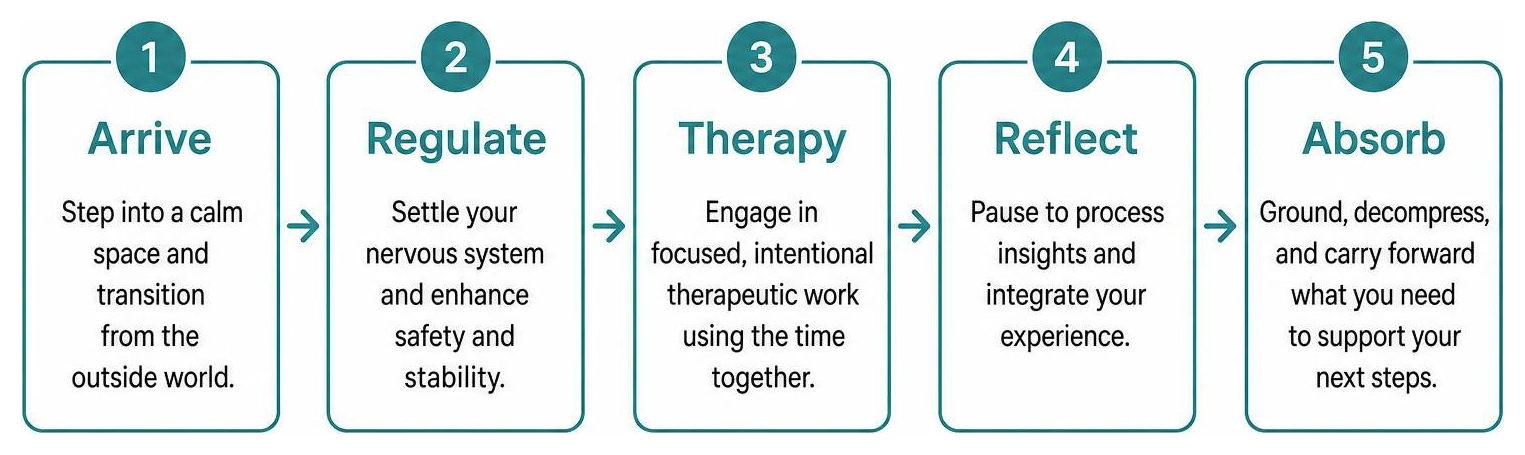
Allocating 5 to 10 minutes in a quiet lounge before a session and 10 to 20 minutes in a decompression space afterward helps clients absorb insights, stabilize their nervous system, and return to daily life feeling grounded.
Operational Advantages for Independent Clinicians and Private Practices
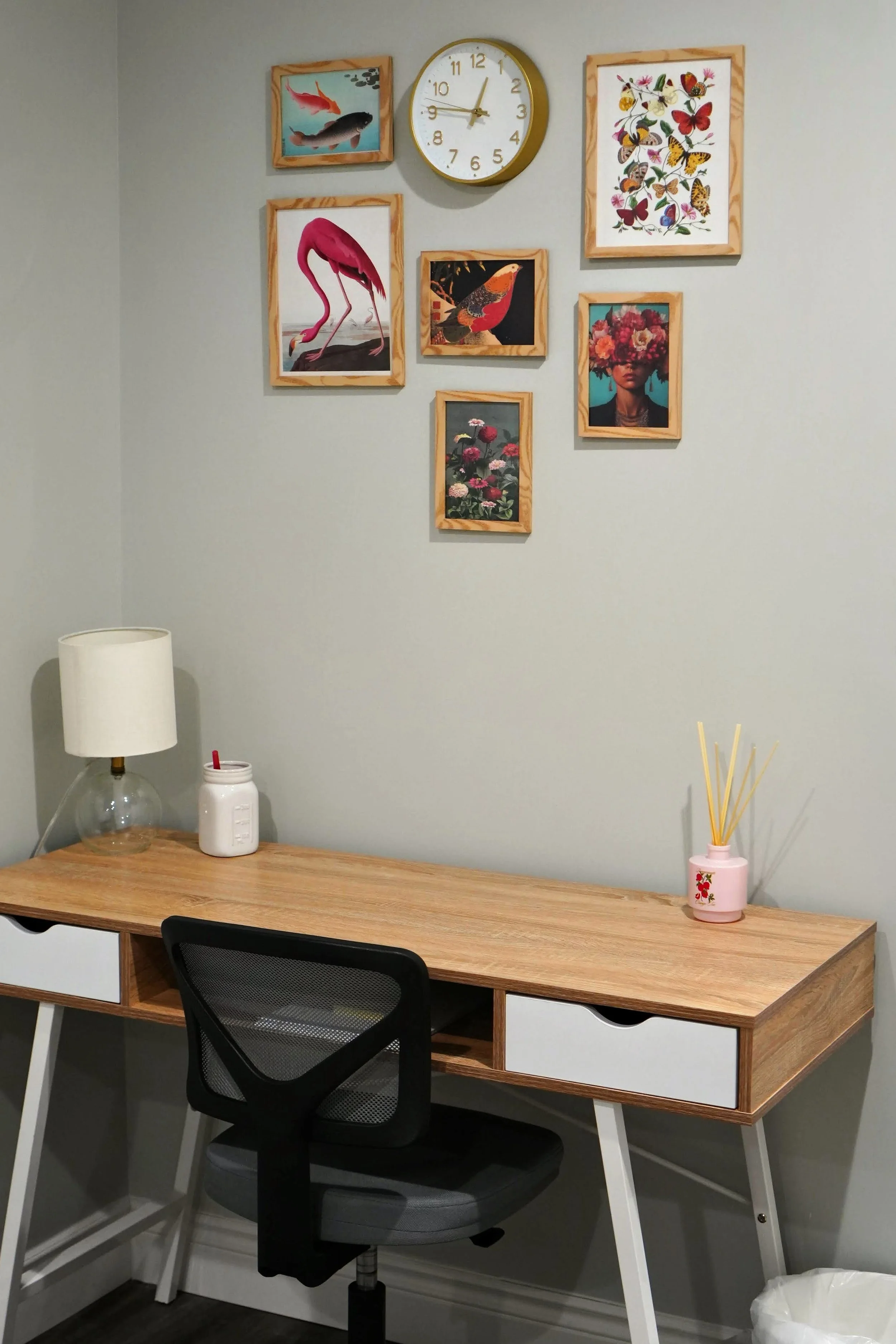
Operating an independent behavioral health practice involves managing physical logistics, state regulations, and business overhead. Modern studio spaces give solo practitioners and group practices a professional, flexible alternative to traditional commercial real estate.
Why Practitioners Are Moving to Flexible Therapy Studios
Signing a rigid 3-to-5-year commercial lease is a major financial risk for solo practitioners, especially when seeing clients on a hybrid or part-time basis. Modern turnkey facilities solve this challenge by offering fully furnished, acoustic-rated rentable therapy space on flexible terms.
Clinicians gain access to mail handling, dedicated profile listings, professional waiting lounges, and high-speed infrastructure without taking on long-term utility contracts or property management duties. Practicing within a shared facility also connects therapists with a supportive clinician community, which helps reduce the professional isolation often experienced in solo private practice.
Navigating Overhead, Compliance, and Branding Challenges
Starting a private practice requires balancing operational compliance, marketing, and client care. Finding an office with verified acoustic isolation, clean aesthetic appeal, and ADA accessibility can demand significant capital upfront.
By partnering with shared studio facilities, clinicians immediately lower their startup overhead and eliminate the stress of buying furniture, decorating, or managing facility maintenance. Clinicians looking into the details of these memberships can consult our frequently asked questions to learn how shared professional amenities simplify day-to-day operations.
Frequently Asked Questions About Therapy Studios
What distinguishes a therapy studio from a traditional medical office?
A therapy studio focuses intentionally on sensory design, acoustic privacy, and emotional safety. Instead of sterile exam tables and bright fluorescent lighting, studios feature dimmable lighting, comfortable residential-style seating, biophilic accents, and soundproofing. These elements help reduce client anxiety and promote nervous system regulation.
How do therapy studios accommodate advanced clinical modalities?
Therapy studios provide flexible layouts and supportive equipment for specialized therapies. These include extended session spaces for EMDR intensives, open movement areas for somatic and sensorimotor exercises, easy-to-clean workspaces for expressive art therapy, and quiet acoustics for sound healing.
Can private practitioners access studio spaces without long-term commercial leases?
Yes. Turnkey platforms provide licensed mental health professionals with flexible hourly, daily, or monthly room bookings. These setups include essential amenities like high-speed internet, sound masking, professional mail handling, and shared waiting areas, allowing therapists to scale their practice safely and affordably.
Conclusion
The ongoing evolution of mental healthcare highlights the direct link between physical space, emotional safety, and clinical outcomes. As clients seek out trauma-informed care and therapists look for sustainable, low-overhead business models, modern clinical studios offer a clear path forward.
Whether you are an established clinician expanding into hybrid care or a solo practitioner launching your first office, choosing an intentional, community-driven workspace elevates your standard of care. Discover how flexible, turnkey office memberships at TheraSuites can provide your private practice with the ideal environment to help your clients heal and thrive.