
Find the Right Mental Health Office and Take the First Step

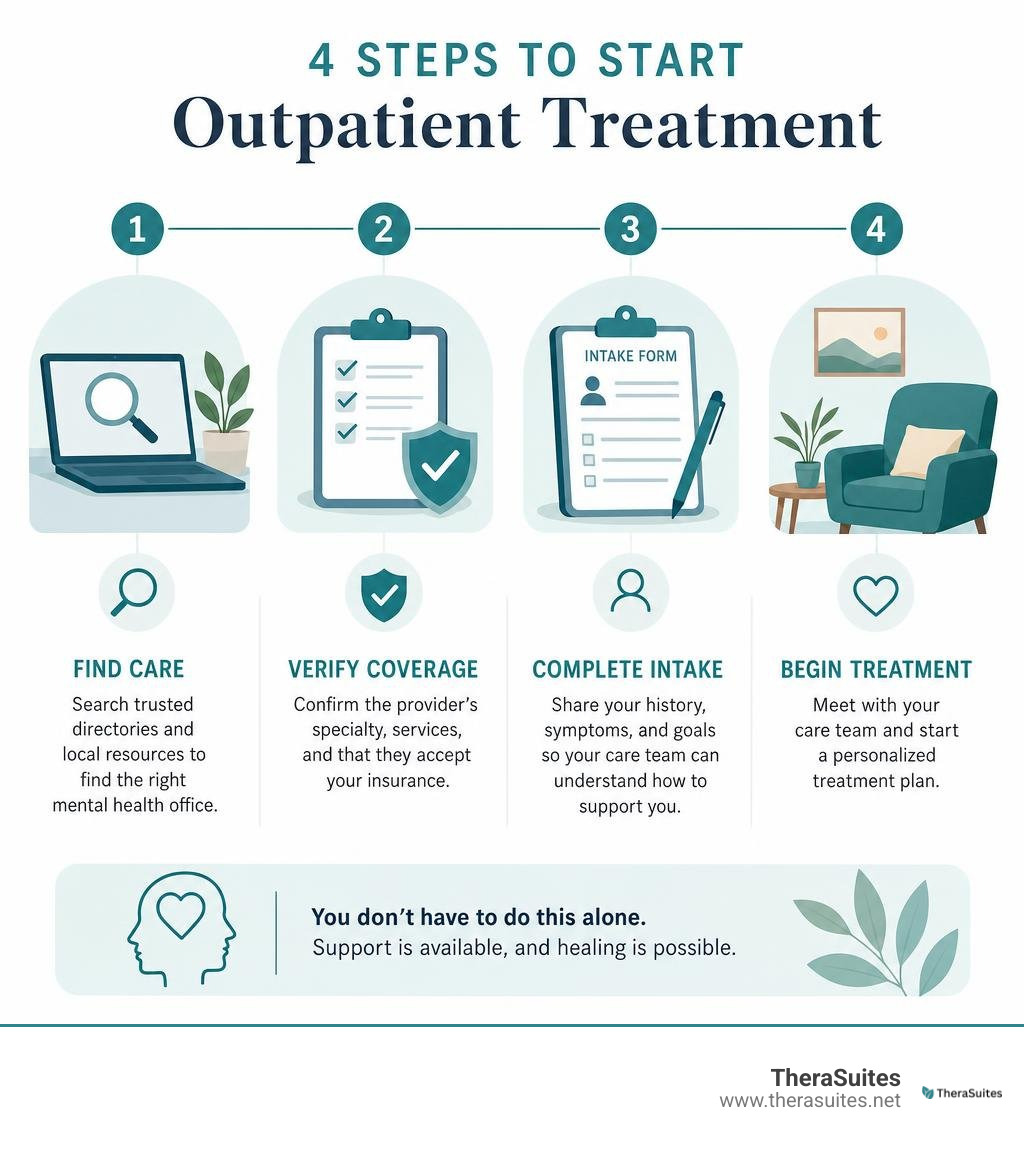
A mental health office can connect people with outpatient therapy, psychiatric evaluations, medication management, telehealth visits, and, when appropriate, advanced treatments such as TMS or Spravato. To find care that fits, start with three practical steps:
- Search your insurance plan's behavioral health directory, a state mental health program directory, or FindTreatment.gov.
- Confirm the provider's specialty, age groups served, appointment format, and whether they accept your coverage.
- Ask about availability, out-of-pocket costs, and what records or forms are needed before the first visit.
Most offices are built for planned, ongoing care rather than emergencies. A first appointment often includes a private conversation about symptoms, health history, goals, medications, and the kind of support that may help. Care may involve one clinician or a coordinated team of therapists, psychiatric prescribers, and support staff.
For clinicians building a private practice, the office itself matters, too. A calm, professional, confidential setting helps clients feel safe from the first conversation and gives providers a foundation for delivering reliable care.
If someone is in immediate emotional distress or may hurt themselves or another person, call or text 988 for the Suicide & Crisis Lifeline. For an immediate medical emergency, call 911.
Core Clinical Services Available at a Modern Mental Health Office
Walking into an outpatient clinic today is vastly different from the dated stereotypes of the past. Outpatient offices function as multidisciplinary wellness hubs designed to assess, diagnose, and treat a wide range of psychological and emotional conditions. Whether someone is navigating a major life transition, managing an acute episode of panic, or living with a complex, chronic condition like bipolar disorder or schizophrenia, outpatient facilities offer structured, evidence-based care paths.
At their core, these practices integrate diagnostic interviewing, targeted behavioral interventions, and biological treatments. Clinics frequently coordinate multidisciplinary teams—pairing counselors and clinical social workers with medical prescribers—to ensure that mental, physical, and lifestyle factors are addressed concurrently.
| Service Category | Primary Modalities & Tools | Primary Clinical Objective | Typical Session Structure |
|---|---|---|---|
| Outpatient Psychotherapy | Cognitive Behavioral Therapy (CBT), Dialectical Behavior Therapy (DBT), EMDR, ACT | Skill-building, emotional processing, cognitive restructuring, and behavioral modification | 45–60 minute individual or group sessions held weekly or biweekly |
| Psychiatric Evaluation & Medication Management | Clinical diagnostic interviews, DSM-5-TR symptom mapping, psychopharmacological stabilization | Identifying neurobiological imbalances, prescribing targeted medications, and monitoring side effects | 60–90 minute comprehensive initial intake; 15–30 minute routine follow-ups |
| Interventional Psychiatry | Transcranial Magnetic Stimulation (TMS), Spravato (Esketamine), Ketamine therapy | Neuromodulation and rapid neuroplasticity induction for treatment-resistant conditions | In-office daily magnetic pulse protocols or monitored 2-hour clinical observation sessions |
| Specialized Diagnostic Testing | Pharmacogenomic genetic testing, objective ADHD battery assessments, routine lab panels | Uncovering biological drivers, testing medication compatibility, and refining differential diagnoses | Multi-hour diagnostic testing appointments or simple non-invasive buccal swabs/blood draws |
Outpatient Psychotherapy and Medication Management
The cornerstone of outpatient care rests upon psychotherapy and clinical psychopharmacology. Modern psychotherapy is collaborative, practical, and tailored to the individual. Evidence-based modalities such as Cognitive Behavioral Therapy (CBT) help individuals identify and alter distorted thinking patterns, while Dialectical Behavior Therapy (DBT) provides actionable toolkits for distress tolerance, emotion regulation, and mindfulness. For trauma-related disorders, clinicians utilize somatic approaches and Eye Movement Desensitization and Reprocessing (EMDR) to help patients process adverse experiences.
Medication management, when indicated, runs alongside therapy. Rather than simply writing a prescription and sending a patient out the door, psychiatric prescribers conduct thorough baseline evaluations. They review physical health markers, family medical history, and lifestyle factors before discussing pharmacological options. Routine check-ins ensure dosages remain therapeutic while minimizing unwanted side effects, creating a stable biological foundation for talk therapy to take root.
Advanced Interventions: TMS, Spravato, and Genetic Diagnostics
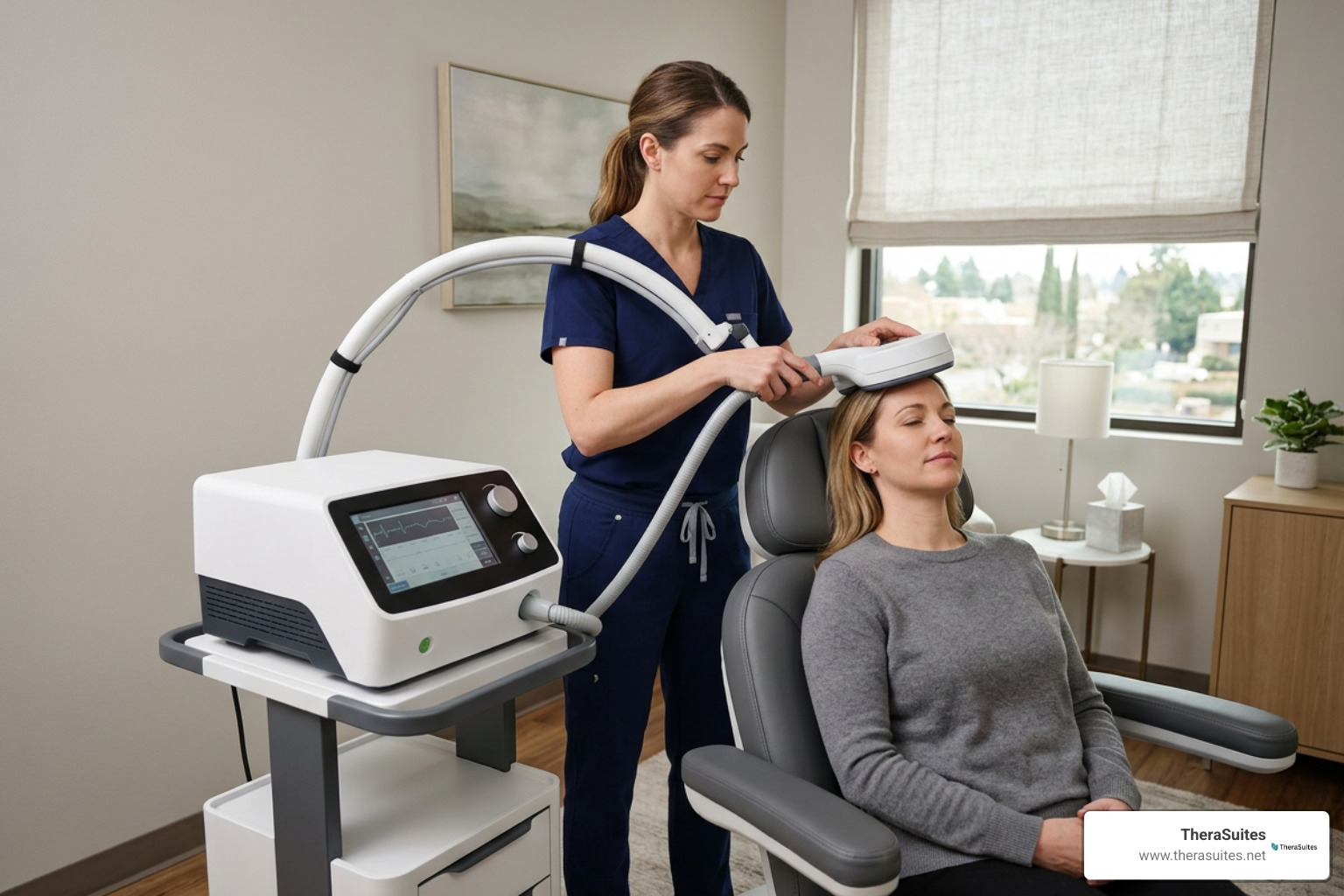
When standard first-line therapies and medications do not provide sufficient relief, outpatient clinics increasingly provide advanced, FDA-approved interventional treatments. Individuals diagnosed with treatment-resistant depression or severe obsessive-compulsive disorder (OCD) often explore interventional options that target neural pathways directly.
- Transcranial Magnetic Stimulation (TMS): An FDA-cleared, non-invasive therapy that delivers focused magnetic pulses to stimulate underactive neurons in brain regions responsible for mood regulation (such as the dorsolateral prefrontal cortex). TMS requires no anesthesia, allows patients to drive themselves home immediately following sessions, and produces no systemic side effects.
- Spravato (Esketamine) & Ketamine Therapy: For adults struggling with major depressive disorder with suicidal ideation or treatment-resistant depression, nasal esketamine induces rapid neuroplasticity. Because of its unique mechanism of action and transient dissociative effects, it is administered strictly within certified healthcare suites under direct clinical observation for two hours.
- Pharmacogenomic & Genetic Diagnostics: To eliminate the frustrating trial-and-error cycle of psychiatric prescriptions, clinicians utilize genetic testing. A painless cheek swab evaluates how a patient’s liver enzymes metabolize specific psychotropic drugs and reveals genetic markers linked to neuroreceptor sensitivity, providing a clear roadmap for personalized medication selection.
Specialized providers delivering comprehensive Mental Health Care routinely combine these interventional breakthroughs with traditional talk therapy, giving individuals experiencing stubborn depressive episodes renewed pathways toward recovery.
Navigating Provider Roles, Intake Protocols, and Insurance
Entering a behavioral health clinic introduces you to a diverse team of medical and mental health professionals. Understanding who does what makes it far easier to advocate for your own care and build the right support system.
Psychiatrist vs. Psychiatric Nurse Practitioner vs. Therapist
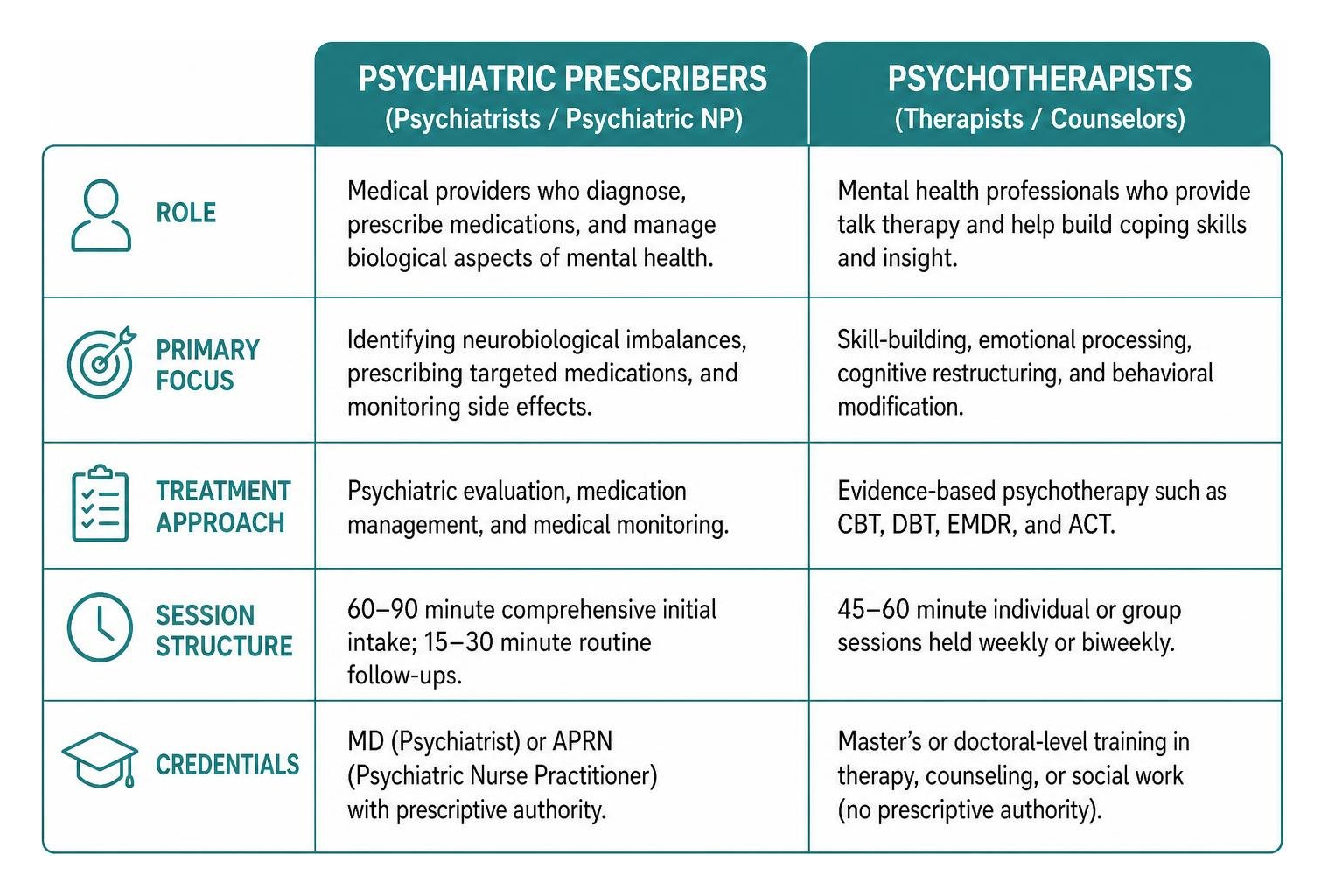
The behavioral healthcare ecosystem relies on distinct provider credentials, each bringing specialized training and diagnostic authority to clinical practice:
- Psychiatrists (MD or DO): Medical doctors who have completed four years of medical school followed by four years of specialized psychiatric residency. Psychiatrists possess comprehensive diagnostic authority, manage complex polypharmacy regimens, conduct physical examinations, order medical workups, and treat high-acuity medical and psychiatric disorders.
- Psychiatric-Mental Health Nurse Practitioners (PMHNP-BC): Advanced practice registered nurses holding master’s or doctoral degrees with specialized training in behavioral healthcare. PMHNPs assess, diagnose, and treat psychiatric illnesses, order lab work, and prescribe medications across the lifespan, frequently working in collaborative clinical environments alongside physicians.
- Licensed Psychotherapists (LPC, LMFT, LCSW, PsyD/PhD): Masters- and doctoral-level clinicians focused on psychological assessment, behavioral interventions, and talk therapy. While therapists do not prescribe medications, they spend extensive clinical time helping clients build emotional resilience, process underlying trauma, and reshape behavioral responses.
Clinics often implement collaborative care models where patients see a therapist biweekly for counseling and check in with their psychiatrist or nurse practitioner monthly or quarterly for medication reviews.
Preparing for Your First Mental Health Office Consultation

Your first visit to an outpatient clinic is dedicated to understanding your personal story and current challenges. Clinicians refer to this as a comprehensive biopsychosocial assessment.
To make the most of this visit, come prepared with practical documentation:
- A complete list of current prescription medications, over-the-counter supplements, and precise dosages.
- A summary of past medical, psychiatric, or psychological treatments, including what strategies worked and what did not.
- A brief log of your current symptoms—noting when they began, their severity, and how they disrupt your daily routine, work, or relationships.
- Pertinent family medical history, particularly any documented mood disorders, anxiety, or neurodevelopmental conditions.
For independent practitioners, delivering these detailed consultations requires an intentional clinical environment. Providing care from a quiet, HIPAA-compliant, and beautifully furnished rentable therapy space ensures that clients feel respected, safe, and heard from the moment they step through the door.
Insurance Verification, Copays, and Sliding Scales
Managing the financial side of mental healthcare should never be an obstacle to feeling better. Administrative teams at outpatient centers work diligently to verify behavioral health benefits, clarify deductibles, and confirm copayments before initial consultations occur.
Because psychiatric and therapy benefits can vary from standard medical coverage, patients should ask their insurance carrier or clinic billing staff:
- Does my policy require prior authorization before outpatient behavioral visits?
- What is my in-network copayment or coinsurance percentage for individual psychotherapy (CPT code 90837) versus psychiatric evaluation (CPT code 90791)?
- Does my policy cover interventional modalities like TMS or telehealth sessions from home?
For providers and organizations alike, clear financial transparency reflects a patient-first therapy practice mission. When practices operate out-of-network, they frequently supply detailed "superbills"—itemized medical receipts containing clinical diagnostic (ICD-10) and service (CPT) codes that patients submit directly to their insurers for out-of-network reimbursement.
Additionally, public state resources—such as the regulatory portals provided by the New York State Office of Mental Health—help consumers navigate insurance parity laws, understand patient rights, and locate state-funded safety net clinics when insurance coverage is limited or absent.
Recognizing When to Seek Care and Accessing Urgent Support
Mental health challenges rarely appear overnight; they typically develop along a continuum. Learning to recognize early behavioral warning signs allows individuals and families to intervene long before emotional distress turns into a crisis.
Common Signs and Indicators for Behavioral Care
Knowing when self-care routines are no longer enough is essential. You should consider reaching out to a professional behavioral clinic when symptoms persist for more than two weeks or begin interfering with your ability to function at work, school, or home:
- Pervasive Mood Shifts: Constant feelings of sadness, emptiness, hopelessness, or uncharacteristic emotional numbness that does not lift.
- Excessive Worry or Panic: Intrusive, racing thoughts, chronic dread, or physical panic symptoms such as heart palpitations, shortness of breath, and gastrointestinal distress.
- Sleep and Energy Disruption: Difficulty falling asleep, frequent night waking, oversleeping, or chronic physical exhaustion unlinked to a medical illness.
- Behavioral and Social Withdrawal: Pulling away from friends, abandoning beloved hobbies, declining work performance, and isolating from loved ones.
- Unhealthy Coping Mechanisms: Increasing reliance on alcohol, substances, or nicotine to get through the day. In youth populations, coping through substances is a growing public health concern; for example, data indicates that 30% of high school students and 18% of middle school students in Louisiana currently vape. Outpatient clinics provide early screening and intervention for adolescents to address the root emotional drivers behind vaping and substance experimentation before long-term dependency forms.
Crisis Intervention Resources Outside Standard Hours
Traditional outpatient clinics are designed for planned, scheduled appointments and operate during regular business hours. They are not equipped to manage acute, life-threatening psychiatric emergencies on an walk-in basis. If you or someone you know experiences overwhelming emotional distress, acute psychosis, or thoughts of self-harm outside normal office hours, access immediate support through these 24/7 dedicated resources:
- 988 Suicide & Crisis Lifeline: Call or text 988 (available 24/7/365 across the United States) to connect immediately with trained crisis counselors for free, confidential support in English and Spanish.
- The Crisis Text Line: Text HOME to 741741 to connect with a crisis counselor via text.
- The Trevor Project (LGBTQ+ Youth): Call 1-866-488-7386 or text START to 678-678 for 24/7 specialized crisis intervention.
- National Domestic Violence Hotline: Call 1-800-799-SAFE (7233) or text START to 88788 for confidential safety planning and emergency resources.
- Disaster Distress Helpline: Call or text 1-800-985-5990 for immediate emotional distress counseling following natural or human-caused disasters.
- Emergency Medical Services: Dial 911 or visit the nearest hospital emergency department if there is immediate, physical danger.
Large community behavioral health networks also deploy mobile crisis teams that conduct face-to-face community evaluations, providing urgent de-escalation and safe stabilization outside hospital settings.
Hybrid Care Models and Stigma Reduction in Behavioral Health
The landscape of outpatient care has shifted toward greater accessibility and inclusivity. Today's practices prioritize breaking down systemic barriers, removing societal stigma, and making treatment comfortable and culturally responsive.
Secure Telehealth Capabilities in the Mental Health Office
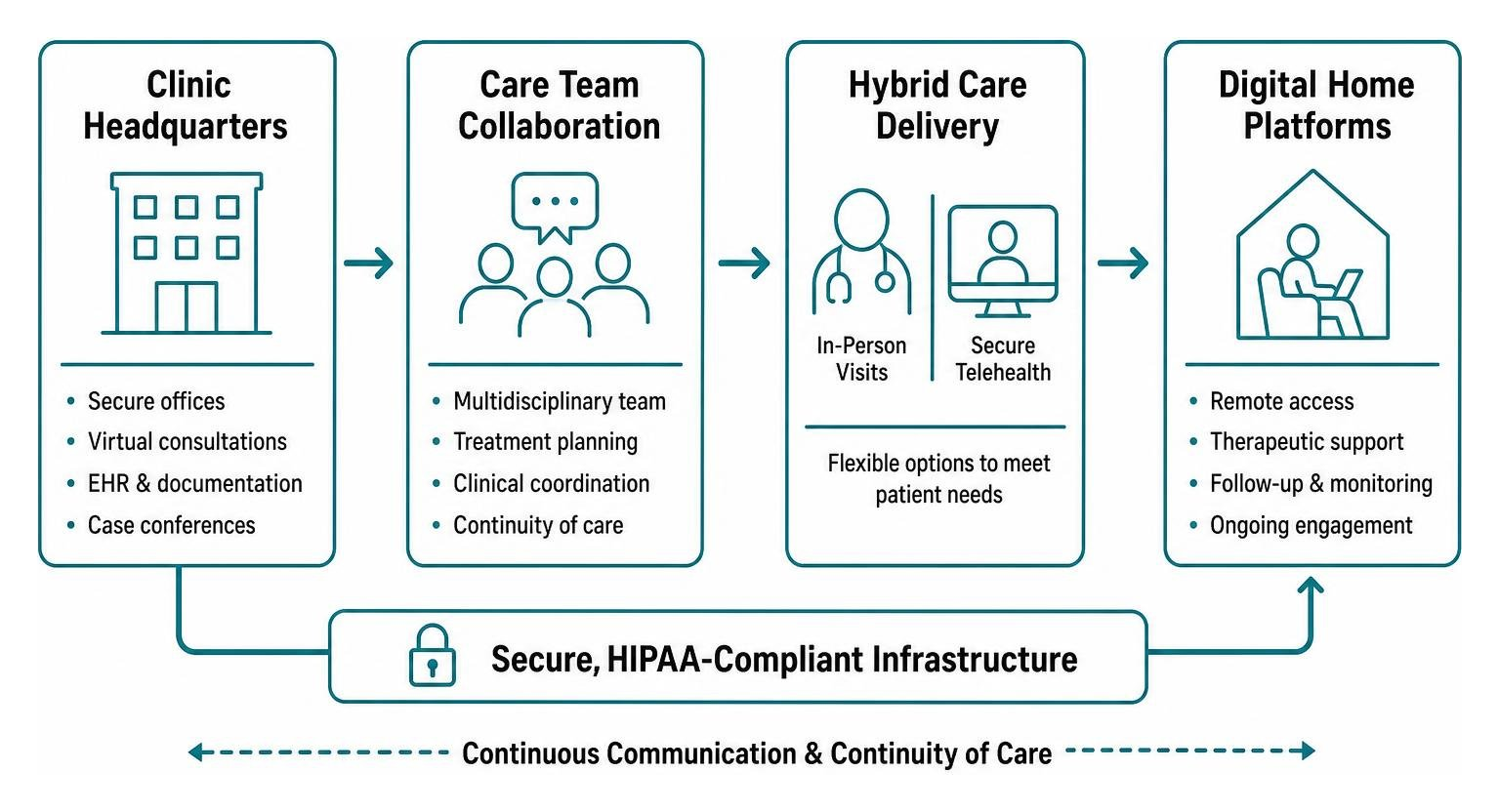
Telebehavioral health has permanently expanded how care is delivered. Rather than replacing physical offices, modern clinics use a hybrid approach that bridges in-person visits with virtual care. Secure, HIPAA-compliant video platforms allow patients in rural or underserved areas to consult with psychiatric specialists across their state without taking hours off work or spending time in traffic.
Clinicians use their physical office suites as secure, distraction-free command centers for virtual consultations, electronic medical record updates, and multidisciplinary case conferences. Clinicians working together within professional shared communities—like the members at Therasuites Livonia—leverage these private, acoustically treated office environments to deliver confidential virtual sessions, ensuring patient privacy is protected on both ends of the screen.
Culturally Responsive and Trauma-Informed Frameworks
Effective behavioral health practices recognize that healing is deeply tied to cultural identity, background, and personal life experiences. Clinics increasingly structure their care around evidence-based frameworks that prioritize safety, trust, and mutual respect:
- Mitigating Adverse Childhood Experiences (ACEs): Clinicians use trauma-informed screening to understand how early developmental trauma impacts adult physical and mental wellness, shifting the clinical focus from asking "What is wrong with you?" to "What happened to you?"
- System of Care Principles: Coordinating care across multiple community partners—including family navigators, primary care doctors, educators, and social service programs—ensures a comprehensive safety net for children, youth, and families.
- Peer Recovery Support Services: Integrating certified peer specialists—individuals with lived experience in recovery from mental health or substance use disorders—offers validation, hope, and practical guidance that clinical credentials alone cannot replicate.
- Stigma Reduction and Cultural Competency: Providing services in multiple languages, offering culturally affirming care, and treating mental health with the same openness as cardiovascular or dental health normalizes psychological support across diverse communities.
Large regional organizations illustrate the impact of these community-wide efforts; for instance, Volunteer Behavioral Health serves 65,000 individuals each year across 65+ counties in Tennessee using 900+ qualified staff members and 21 outpatient centers. This massive community presence proves that structured, accessible behavioral healthcare changes lives when delivered at scale.
Frequently Asked Questions About Mental Health Offices
What should I bring to my first appointment at a mental health office?
When attending your initial intake consultation, bring a valid government-issued photo ID, your physical health insurance card, a complete list of current medications and supplements with dosages, and any relevant past psychiatric or medical records. If you are completing intake paperwork through an online patient portal, finish those digital questionnaires 24 hours prior to your visit. If you have additional logistical questions about office amenities, policies, or scheduling, reviewing a clinic's FAQ page before your appointment helps clarify what to expect.
Do I need a doctor's referral to schedule a visit?
In most outpatient mental health clinics, a formal referral from a primary care physician is not required. Most private practices, outpatient clinics, and therapy centers allow direct self-referral, meaning you can call or submit an intake request online yourself. However, certain HMO insurance plans or specialized government-funded programs may require a general practitioner's referral for insurance pre-authorization. It is always wise to confirm this with your insurance company beforehand.
How do clinics protect patient confidentiality and HIPAA privacy?
Confidentiality is protected by strict federal and state legislation, notably the Health Insurance Portability and Accountability Act (HIPAA). Outpatient offices protect your privacy through encrypted Electronic Health Record (EHR) platforms, secure cloud-based messaging systems, and strict physical office design standards that include acoustic soundproofing and white-noise sound machines. Information regarding your diagnosis, session notes, and treatment plan cannot be disclosed to employers, family members, or outside parties without your explicit, written consent, except in rare circumstances involving imminent physical danger, child abuse, or elder neglect.
Taking the Next Step Toward Lasting Wellness
Deciding to walk into a mental health clinic is an investment in your health, relationships, and future. Whether you are seeking weekly talk therapy to manage stress, exploring psychiatric evaluations for sustained mood stability, or looking into advanced interventional treatments like TMS, dedicated clinical teams are ready to support your recovery every step of the way. Healing is never one-size-fits-all, but with the right care team in your corner, clarity and lasting relief are well within reach.
At TheraSuites, we understand that high-quality, compassionate mental healthcare begins with the professionals who provide it. We are dedicated to supporting private behavioral health practitioners by offering turn-key, flexible office spaces designed specifically for modern therapy practices.
From professional business addresses, mail forwarding, and member profile pages to quiet, fully furnished hourly room rentals, our mission is to empower independent clinicians in Livonia with affordable, customizable workspace solutions. By handling administrative facility logistics and providing a collaborative community of like-minded colleagues, we make it simple for therapists and psychiatric specialists to focus entirely on what matters most: delivering exceptional, life-changing care to their clients.