
Top Channels to Search for a Therapist Office Rental Near Me

Finding the right space for your private practice requires looking beyond generic office buildings. Mental health providers require specialized environments designed for confidentiality, comfort, and professional focus. Here are the primary channels clinicians use to locate quality office space:
- Specialized Mental Health Coworking Communities: Purpose-built shared suites offering turnkey offices, acoustic privacy, and shared waiting rooms.
- Commercial Real Estate Portals: Broad commercial listing platforms that display traditional private offices and medical office suites.
- Local Commercial Brokerages: Real estate agents who represent office landlords or help tenants find multi-year commercial spaces.
- Professional Listservs and Peer Associations: Local clinician message boards, state psychology or counseling chapters, and social media peer groups advertising subleases.
- Classified Boards and Community Directories: Regional bulletin boards where established practitioners advertise part-time room rentals within their existing suites.
Dedicated Mental Health Coworking Communities
For many therapists, purpose-built mental health coworking spaces represent the easiest and most practical path to launching or expanding a practice. Unlike standard commercial office spaces or general creative coworking hubs, these suites are specifically designed around clinical confidentiality and the therapeutic experience.
When you secure a rentable therapy space through a dedicated wellness workspace, you receive a turnkey environment equipped with sound isolation, discreet waiting lounges, and professional decor. These communities offer flexible membership tiers, including hourly room bookings, dedicated part-time days, and full-time private offices. This setup eliminates the need to buy furniture, arrange commercial utility accounts, or manage internet providers.
Beyond convenience, these spaces offer peer networking. Working in solo private practice can sometimes feel isolating. Shared mental health suites allow you to cross paths with like-minded clinicians in breakrooms and common areas, opening doors to organic cross-referrals and clinical camaraderie.
Commercial Real Estate Portals and Local Brokerages
If you are looking to build out a larger clinic, hire multiple associates, or secure a multi-year footprint under your direct control, commercial real estate portals and local tenant-rep brokers are valuable resources.
Sites that catalog commercial office properties allow you to filter by square footage, geographic submarkets, and price per square foot. However, standard commercial properties come with distinct considerations:
- Triple Net (NNN) Leases: Many commercial listings advertise base rent that excludes property taxes, building insurance, and common area maintenance (CAM). You must calculate these additional fees into your monthly budget.
- Build-Out Costs: Standard corporate offices rarely feature double-insulated drywall or sound masking. You may need to negotiate tenant improvement (TI) allowances with the landlord to add soundproofing and private partition walls.
- Zoning Compliance: You must verify that the municipal zoning code for the commercial property permits outpatient mental health services and general office medical use.
Working with a commercial broker who understands healthcare or professional services can help you navigate lease terms, negotiate concessions, and avoid zoning pitfalls.
Professional Peer Networks and Classifieds
Some of the best sublease opportunities never appear on mainstream real estate portals. Established practitioners with extra capacity frequently sublet their offices on days they work remotely or see clients at other locations.
To tap into these hidden listings:
- Join Local Clinician Listservs: Regional chapters of organizations such as the American Psychological Association (APA), National Association of Social Workers (NASW), and American Association for Marriage and Family Therapy (AAMFT) often maintain active email lists where members post sublease openings.
- Engage in Regional Peer Consultation Groups: Regular networking with local colleagues helps you hear about upcoming vacancies before an office hits the open market.
- Check Local Professional Classifieds: State licensing board newsletters and local therapist directories often include classified sections dedicated to shared office space.
Subleasing from a peer can be an affordable way to secure space for one or two days per week, though it requires coordinating schedules and sharing decor with the primary tenant.
Key Features, Privacy, and Accessibility Standards
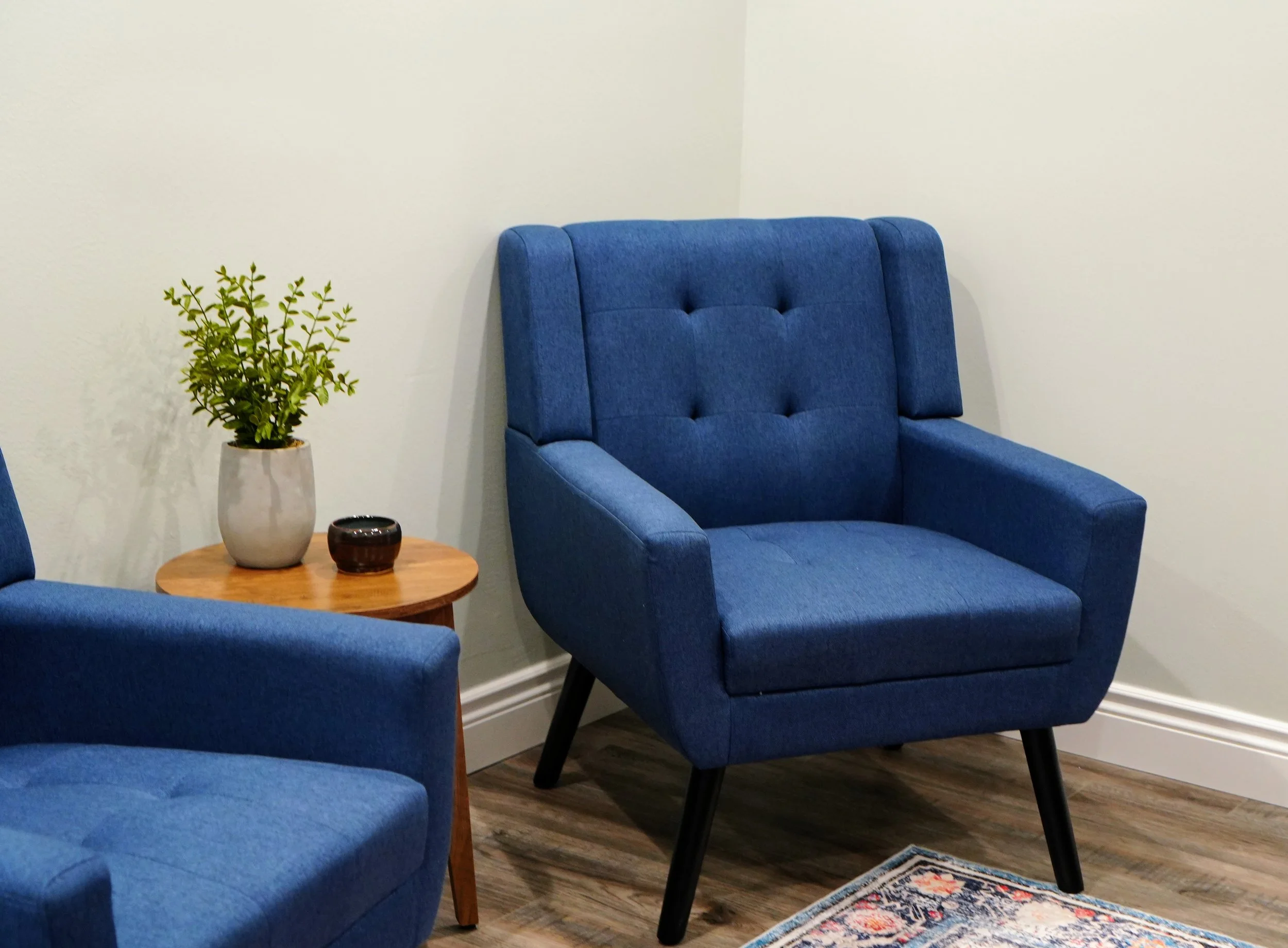
A therapy office must meet higher privacy, safety, and comfort standards than a typical corporate cubicle. Clients share their most vulnerable experiences in your office, making sound security and physical accessibility critical to your practice's success.
Acoustic Isolation and Client Confidentiality
Acoustic privacy is a foundational clinical and ethical requirement. If a client in your waiting room can clearly hear a session taking place behind a closed door, trust is compromised.
When evaluating any potential rental, examine its acoustic design:
- Wall Construction and Insulation: Check whether interior walls extend all the way to the true ceiling slab rather than stopping at a drop ceiling. Sound easily travels over acoustic ceiling tiles if the plenum space is open. Insulated drywall (or double-layered Sheetrock with sound-damping compound) provides optimal sound isolation.
- Solid-Core Doors and Perimeter Seals: Hollow-core doors allow sound to pass freely into hallways. Look for heavy, solid-core wood doors equipped with bottom sweeps and perimeter acoustic seals.
- Integrated Sound Masking: High-quality suites feature built-in white noise or sound-masking systems outside consultation rooms and in waiting lounges to blur conversational cadence.
- Discreet Flow Patterns: Layouts with separate entry and exit doors provide additional privacy, allowing clients to leave their sessions without passing individuals sitting in the reception area.
Location Convenience, Parking, and Accessibility
The physical location of your office directly influences client retention and cancellation rates. If getting to your office is stressful or confusing, clients may struggle to maintain consistent attendance.
Prioritize spaces that offer:
- Convenient Commute Routes: Select locations near major thoroughfares, highways, or public transit nodes that draw clients easily from neighboring communities.
- Clear ADA Compliance: Ensure the property has zero-step entries, wide elevators, and accessible, code-compliant restrooms for individuals with mobility challenges.
- Safe, Ample Parking: Dedicated, well-lit surface parking or garage spaces ensure clients and clinicians feel secure during early morning or evening sessions.
- Clear Wayfinding: Complex office mazes can cause anxiety. Look for buildings with intuitive interior signage and straightforward suite numbers.
Private Commercial Leases vs. Shared Wellness Suites
| Feature | Private Commercial Lease | Shared Wellness Suite |
|---|---|---|
| Initial Capital Outlay | High (furnishings, build-out, deposits) | Minimal (fully furnished, move-in ready) |
| Lease Commitment | 3 to 10 years | Hourly, monthly, or 1-year terms |
| Acoustic Soundproofing | Clinician must construct/finance | Pre-engineered for clinical privacy |
| Maintenance & Utilities | Managed and paid by tenant | Included in flat membership rate |
| Amenities Included | None (DIY waiting room, Wi-Fi, cleaning) | Fully managed waiting rooms, Wi-Fi, mail |
| Scalability | Fixed square footage; hard to change | Scale days/hours up or down as needed |
Comparing Costs, Lease Terms, and Flexible Rental Models
Navigating the financial side of office rentals requires understanding total overhead expenses. A listing that advertises a low base rent may quickly become expensive once CAM fees, utilities, internet, liability riders, and cleaning services are added.

At our Livonia facility, we see how flexible options help providers thrive. Many members at Therasuites Livonia use hybrid models, combining in-person sessions on specific days with telehealth appointments from home. Flexible office plans allow you to pay only for the clinical space you actually use.
How to Vet and Compare Office Rentals
Before signing a lease or membership agreement, conduct thorough due diligence to avoid unexpected costs or operational surprises:
- Schedule an In-Person Tour During Peak Hours: Tour the facility during midday or early evening to assess real-world ambient noise, hallway traffic, and parking availability.
- Perform a Real-World Sound Test: Bring a colleague or friend. Have one person speak in a normal conversational voice inside the office while the other stands in the hallway and waiting room to test sound bleed.
- Clarify the True Monthly Bottom Line: Request a complete breakdown of all recurring fees. Inquire about electric, gas, water, high-speed internet, custodial services, and HVAC operation during evening and weekend hours.
- Review Guest and Mail Policies: If you want to use the location as your public practice address on directory listings and insurance panels, confirm that the facility permits commercial mail delivery and business registration.
Shared Space vs. Private Office Rentals
Choosing between a private commercial space and a shared wellness suite depends on your client volume, administrative capacity, and long-term goals.
- Shared Therapy Suites: Best suited for solo practitioners, hybrid therapists, and growing practices looking to minimize financial risk. Shared suites drastically reduce overhead costs, eliminate administrative hassles, and offer immediate access to professional amenities without long-term debt.
- Standalone Private Leases: Well-suited for established group practices with multiple full-time clinicians, on-site administrative staff, and the financial reserves necessary to manage long-term commercial leases and customized interior build-outs.
Frequently Asked Questions About Local Therapy Office Rentals
What legal and licensing requirements apply to renting a therapy office?
Therapists must ensure their physical office space complies with federal, state, and local regulations. Key considerations include:
- HIPAA Physical Safeguards: You must safeguard client records and ensure conversations cannot be overheard by unauthorized third parties.
- Municipal Zoning and Business Permits: Verify that the city or township allows outpatient mental health services in the property's zoning classification and obtain any necessary local occupancy permits.
- Professional Liability Insurance: Landlords typically require tenants to carry general commercial liability and professional malpractice coverage, naming the property owner as an additional insured.
- Accessibility Laws: The facility must comply with Americans with Disabilities Act (ADA) requirements for public accommodations.
Can I find short-term or hourly therapist office rentals locally?
Yes. Modern mental health workspaces offer flexible arrangements designed around modern hybrid practices. Rather than committing to a 3-year commercial contract, you can book furnished clinical suites by the hour, reserve specific half-days each week, or choose month-to-month memberships.
To learn more about how our flexible room booking, scheduling policies, and amenity packages work, explore our FAQ page.
How do I evaluate the safety and privacy of a prospective office space?
Start by evaluating building security. Look for electronic keycard access, secure suite entries, and well-lit parking lots and walkways for clients arriving after dark.
For interior privacy, check for solid-core doors, insulated partition walls, and commercial sound-masking systems. Finally, ensure waiting rooms are configured so clients are not sitting in close, uncomfortable proximity to one another while waiting for their appointments.
Conclusion
Finding the ideal professional space is a major milestone for your private practice. The right environment protects client confidentiality, simplifies your day-to-day workflow, and presents a polished, professional image to the community.
Whether you need a single room for a few hours a week or a consistent full-time base for your practice, flexible shared suites allow you to focus entirely on client care without the burdens of traditional commercial property management. If you are ready to elevate your practice in a supportive, beautifully designed clinical community, secure a turnkey therapy office with us today.