
Stop Working from the Kitchen Table and Rent a Private Office
Workspace Models Compared: Private Offices vs. Coworking and Traditional Leases
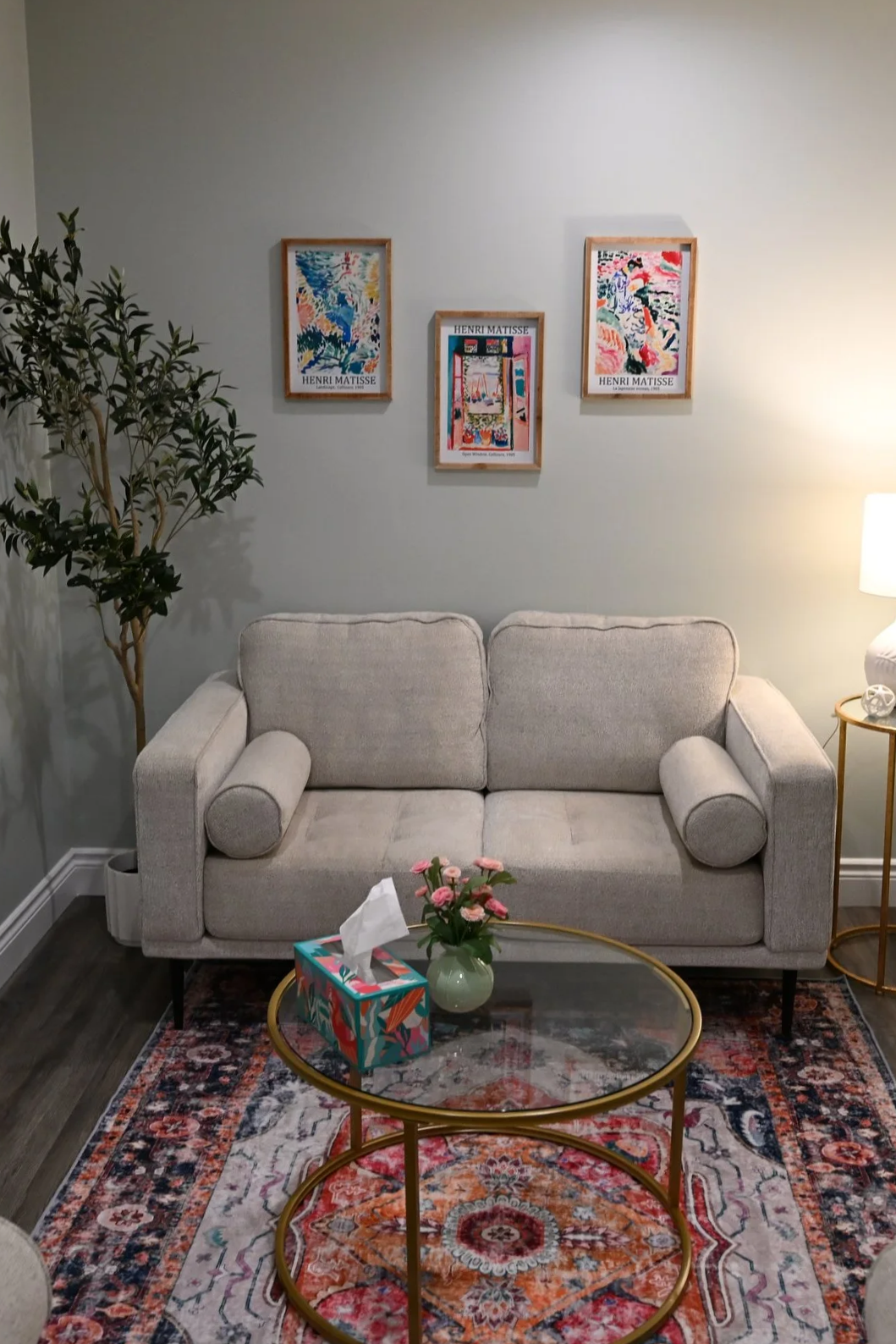
Choosing the right private office rental requires evaluating three critical factors: acoustic privacy for confidential client sessions, lease flexibility to adapt to changing caseloads, and all-inclusive pricing that eliminates administrative overhead. By prioritizing soundproof construction, turnkey furnished suites, and adaptable term lengths, practitioners and growing teams can secure a focused work environment without the heavy upfront liabilities of conventional commercial leases.
Modern commercial real estate has evolved beyond rigid, multi-year obligations to offer diverse options: managed private offices, open coworking setups, and conventional direct leases.
Managed private suites eliminate the administrative burden of running a commercial space. Instead of negotiating with utility providers, ordering office furniture, or coordinating janitorial crews, you step into a fully functional workspace designed for immediate use. For independent practitioners and small businesses seeking a dedicated, rentable therapy space, managed models deliver turn-key convenience while avoiding heavy capital expenditure.

Comparing Dedicated Workspaces to Shared Desks
Open coworking layouts have surged in popularity for general remote work, yet shared desks present substantial hurdles for professionals handling sensitive client consultations. Shared work environments inherently lack acoustic privacy. When your daily workflow involves confidential discussions, client intake, or deep administrative concentration, open-plan spaces introduce ambient noise and visual interruptions.
A dedicated, enclosed office establishes a controlled environment. Closing the door signals clear boundaries, prevents interruptions, and provides clients with total peace of mind regarding their privacy. In professional fields where discretion is essential, the quiet focus of a private room protects client relationships and enhances professional credibility.
Long-Term Leases versus Managed Suites
Traditional direct commercial leases typically demand commitments spanning three to ten years, along with personal financial guarantees, expensive tenant improvement outlays, and separate accounts for utilities, high-speed fiber internet, and custodial services. If your business evolves or team requirements shift, subleasing or exiting a commercial lease can be legally intricate and financially draining.
Managed private suites consolidate these overhead items into a straightforward, predictable monthly payment. You avoid capital liabilities and complex lease administration, enabling you to focus your resources on client care and business growth.
Comprehensive Cost Breakdown of Private Office Rental Spaces
Understanding the true investment of a private office workspace requires looking beyond the headline monthly rate to assess included amenities and ancillary service charges. When evaluating potential facilities, establishing a total cost of occupancy helps prevent unexpected overhead from impacting your bottom line.
Base Rates Across Regional Markets
Base rates for private workspace rentals reflect building location, facility quality, and included operational features. Generally, private offices for solo practitioners and small teams start around $500 to $1,000 per month across regional markets, scaling upward for larger footprints or premium urban centers. Many flexible office providers also offer structured day office rates—often ranging from $100 to $160 per day—or part-time arrangements for professionals who need dedicated physical space for specific days each week.
When assessing base rents, calculate the effective value per square foot alongside the bundled amenities. In traditional office spaces, base rent excludes common area maintenance (CAM), high-speed commercial internet, HVAC maintenance, and electricity. Managed private office suites fold these variable overhead costs into a predictable monthly baseline, shielding small businesses and independent clinicians from seasonal utility spikes or unexpected facility repair bills.
Uncovering Incidental Fees and Add-On Costs
To maintain accurate financial forecasting, review service agreements for incidental costs that may sit outside the standard monthly fee:
- Security Deposits: Most flexible workspace agreements require a refundable security deposit equivalent to one month's standard recurring fee.
- Printing and Copying Allowances: Many facilities allocate a baseline volume of monthly black-and-white printing (such as 100 pages), billing overages at metered rates (e.g., $0.07 to $0.10 for monochrome and $0.40 to $0.49 for color copies).
- Conference and Meeting Room Usage: Flexible memberships often include monthly meeting room credits or provide discounted booking rates (such as 50% off standard hourly charges) for additional sessions.
- Additional Member Fees: Adding an extra collaborator to an existing private suite often carries a monthly access surcharge (typically around $200 per person) to account for common area usage and amenities.
- Mail Handling and Virtual Office Add-Ons: While basic mail reception is frequently bundled into private office memberships, specialized mail forwarding, dedicated phone answering, or standalone virtual business address services may incur separate fees.
- After-Hours HVAC and Access Charges: In certain traditional commercial properties, operating heating or cooling outside standard business hours triggers steep hourly surcharges. Premium managed suites provide seamless 24/7 temperature control and secure entry without penalizing late-evening or weekend client sessions.
Key Operational Features and Lease Terms for Growing Teams
A quality office environment should streamline your workday through reliable building operations, enterprise-grade technology, and secure physical infrastructure.
Evaluating Flexibility in Private Office Rental Agreements
Business needs change over time, making contract adaptability vital. Modern providers offer term structures ranging from month-to-month agreements to 6, 12, or 24-month arrangements. Shorter terms grant operational agility when establishing or expanding a business, while longer agreements often secure lower monthly baseline rates.
For solo clinicians and expanding wellness practices, working alongside established members at Therasuites Livonia highlights the value of flexible office terms, where room configurations and scheduling adjust naturally alongside your growing caseload. Having the contractual latitude to upgrade to a larger office or adjust reserved weekly blocks safeguards your practice against overpaying for unused square footage.
Security and Acoustic Standards for Private Office Rental Units
For medical, mental-health, and legal professionals, security and sound containment are top priorities:
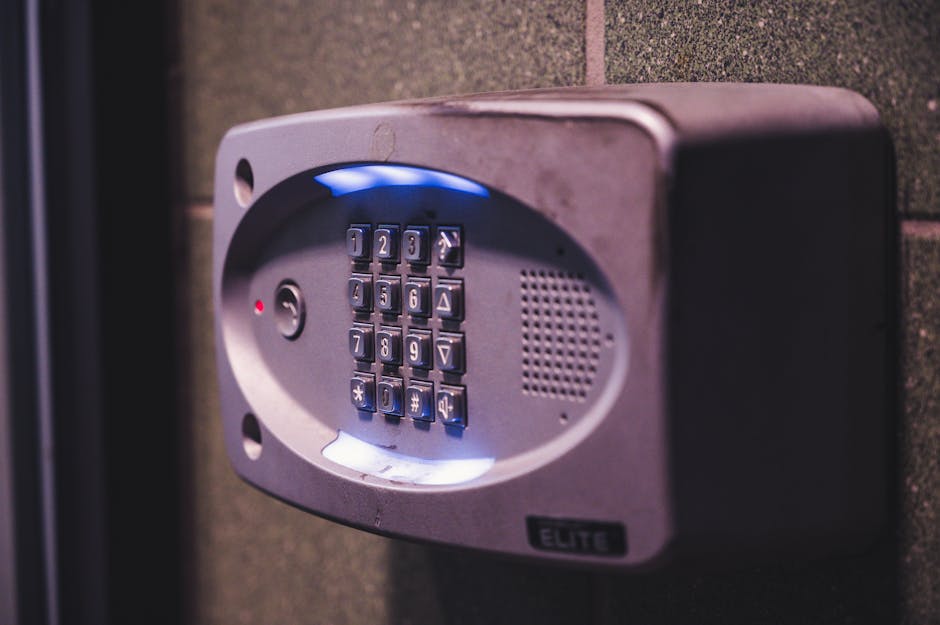
- Access Control: Seek facilities providing 24/7 keycard or fob access paired with individually keyed, lockable office suites to protect sensitive client records and valuable practice equipment.
- Acoustic Soundproofing: Confirm that walls feature dedicated acoustic insulation, solid-core doors, and active sound masking systems to prevent conversational carryover into adjoining suites and common corridors.
- Regulatory Compliance: Healthcare and wellness practices require environments that support strict client confidentiality and HIPAA standards, aligning directly with our overarching therapy practice mission.
- Secure Data Infrastructure: Enterprise-grade networking with isolated VLANs or private Wi-Fi networks ensures that digital client records and telehealth video sessions remain fully protected from unauthorized access across the shared facility.
Strategic Location and Professional Fit Assessment
The geographic placement and physical presentation of your office directly shape client experiences, attendance reliability, and daily operational efficiency.
When selecting a location, consider:
- Transit and Parking: Ensure the building offers dedicated, easy-access on-site parking and straightforward connections to primary roadways, highways, or public transit routes. Ample barrier-free parking removes stress for visiting clients.
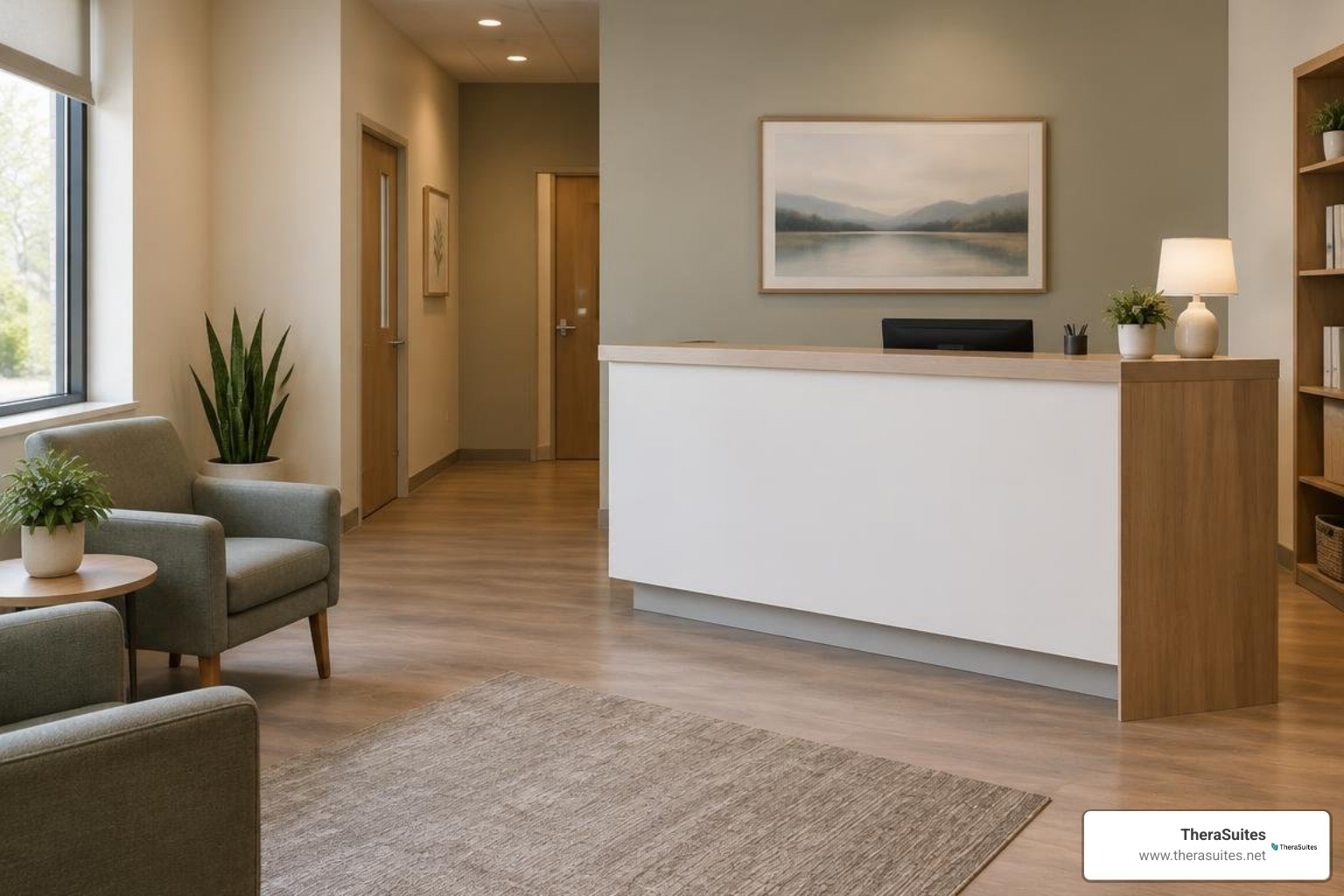
- Wayfinding and Building Reception: A clean, professional lobby with a welcoming reception area helps visitors feel comfortable and oriented the moment they arrive. Professional directory signage and clear wayfinding reinforce your business credibility.
- ADA Compliance and Physical Accessibility: Accessible entrances, wide hallways, and compliant elevator systems ensure every visitor can navigate the building comfortably and independently.
- Neighborhood Amenities: Proximity to dining options, quiet outdoor spaces, pharmacies, and retail services adds convenience for both you and your visiting clients during busy clinic days.
Frequently Asked Questions
What amenities are typically bundled into an all-inclusive office agreement?
All-inclusive private office rentals standardly bundle high-speed fiber internet, commercial utilities (electricity, heating, and cooling), dedicated business mailing addresses, janitorial maintenance, staffed front-desk greeting, and shared kitchen/café beverage amenities into a single recurring monthly charge. For an exhaustive overview of covered operational features and suite specifications, consult our FAQ page.
Can tenants customize furniture and room decor in managed suites?
Yes. While managed offices typically come furnished with ergonomic desks and seating, most operators allow tenants to introduce their own specialized furniture, wall artwork, or removable peel-and-stick wallpaper, provided the suite is returned to its original state at the conclusion of the rental term.
How do flexible agreements handle rapid team expansion or downsizing?
Flexible workspace operators simplify scaling by enabling tenants to transition between individual private offices, multi-desk team suites, or hourly supplemental rooms without terminating their underlying agreement. To explore tailored workspace plans designed around your practice's schedule, you can join now and reserve your preferred office solution.
Take the Next Step Toward a Better Workspace
Choosing the right private office workspace provides the ideal foundation for professional productivity, operational agility, and client confidence. By opting for turn-key managed suites over long, restrictive commercial leases, you protect your business from unpredictable overhead while securing a quiet, secure, and professional space. If you are seeking a supportive, beautifully maintained workspace tailored to your professional needs, discover our turnkey private office solutions and schedule your visit today.